Category: Importing & Buying Guides

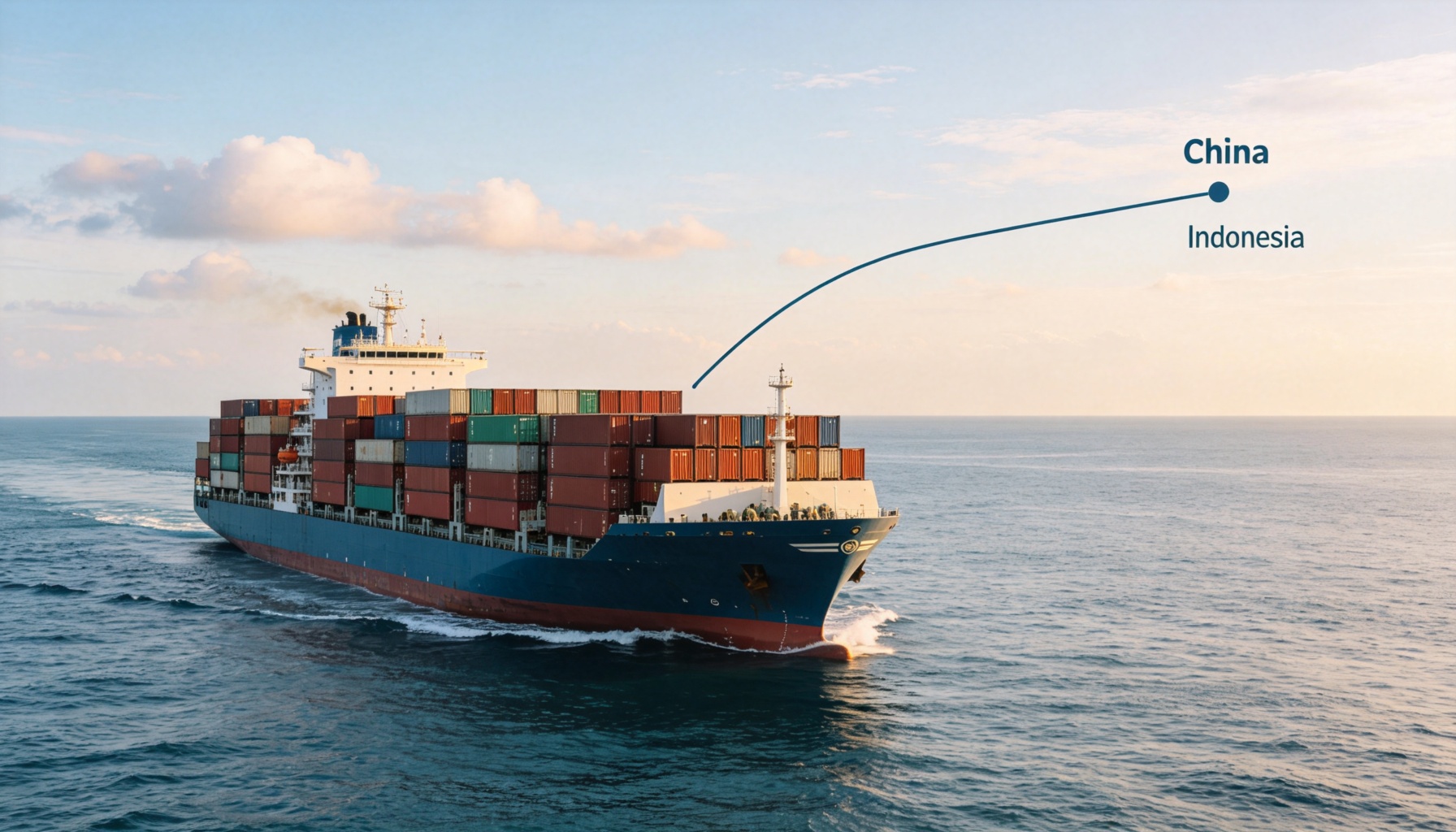
Guides for importing wholesale products from China to Indonesia: FOB, EXW, T/T payment and buying tips.

  • Redemption Ticket Machines for Indonesia: Prices, Specs & Import Guide

    Redemption Ticket Machines for Indonesia: Prices, Specs & Import Guide

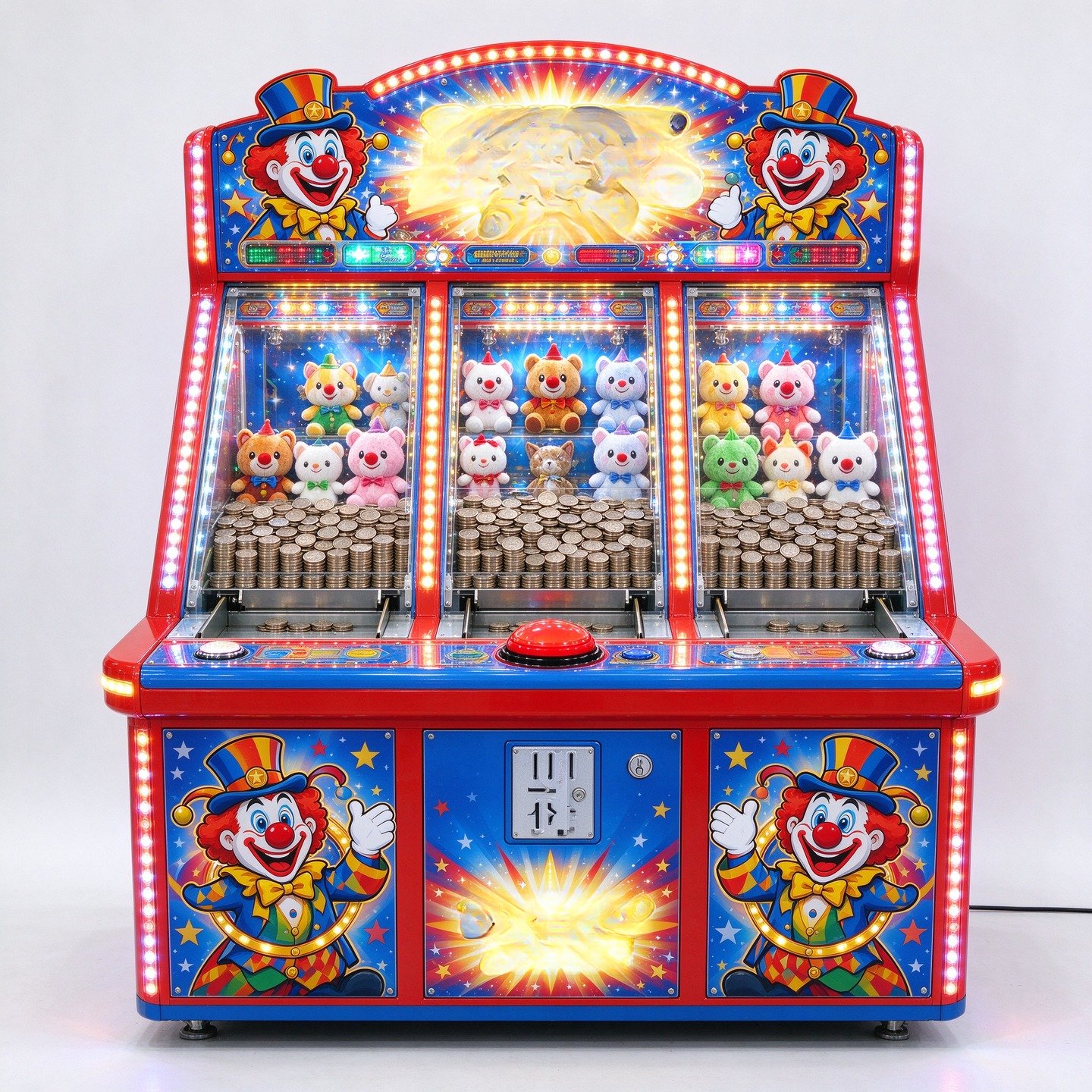
    If you are building a family entertainment centre, a mall game zone, or a bigger arcade in Indonesia, the racing cabinets and claw machines get all the attention. The machines that actually bring kids back week after week, though, are the ticket redemption games. You play, you win paper tickets, you stack them up, and you trade them for a prize. That loop is what turns a one-time visitor into a regular.

    This guide covers the redemption machines we build in our own Guangzhou factory, what each one costs in Rupiah, the floor space and power each takes, and what to sort out before you place the order.
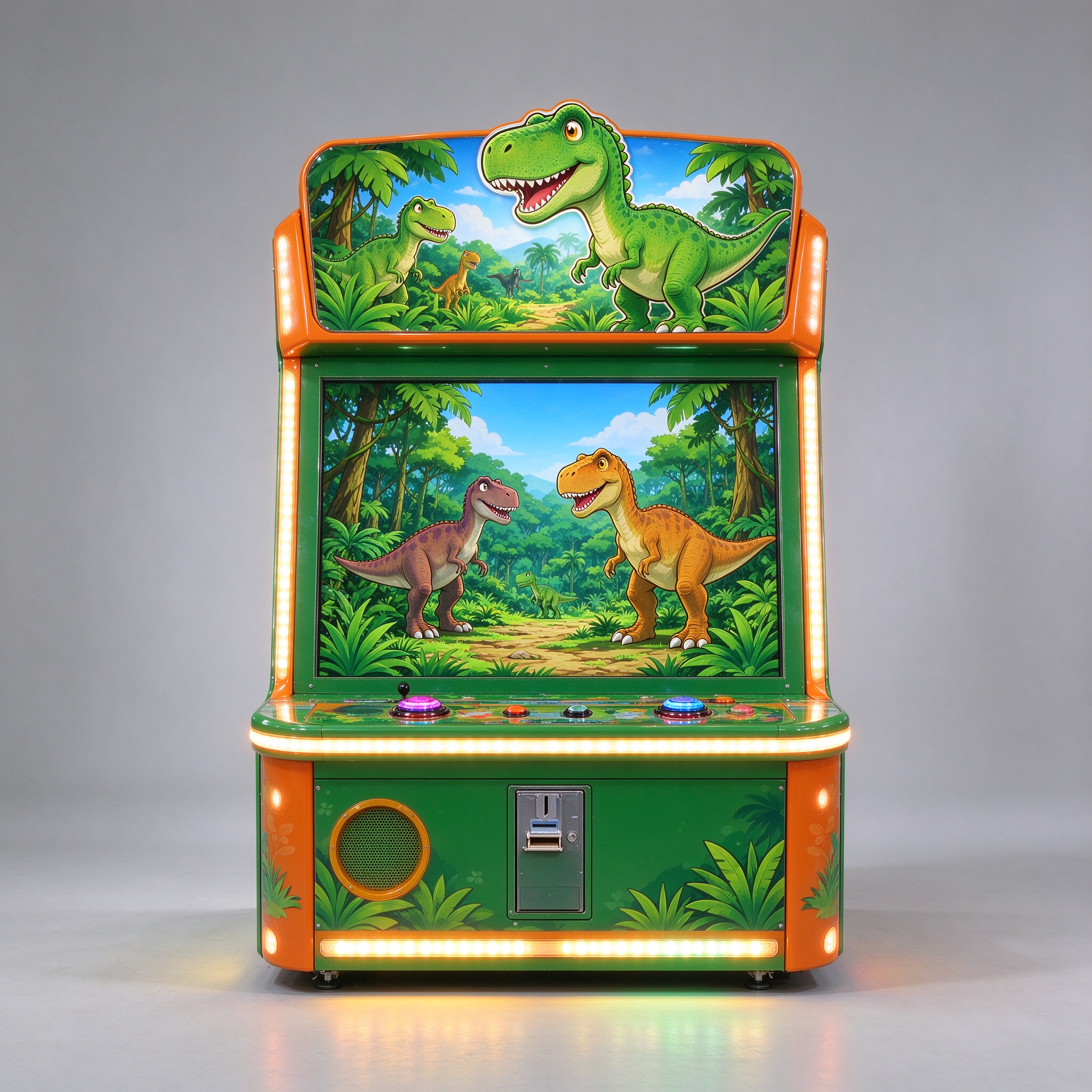
    Dino Generation 2 redemption ticket arcade machine

    Why Ticket Machines Earn Their Place

    A racing machine earns while someone is sitting in the cabinet. A ticket machine earns even after the player leaves, because the kid who won 80 tickets is already deciding which friend to bring next time to win another 80. That repeat-visit loop is why redemption banks are usually the highest-density section in a busy FEC.

    They also pair well. You put a row of four to six ticket machines along a wall or in a semi-circle, add a prize counter at the end, and the walk-through flow does the rest. Parents wait by the counter, kids keep feeding coins into the next game, and the whole section pays for itself faster than most standalone machines.

    The Five Machines We Keep in Stock

    These are the five redemption titles we ship most often to Indonesian indoor parks. Sizes and power below are straight from the factory spec sheet.

    Fury Sea Arrow

    An aim-and-shoot redemption cabinet. At 240 × 130 × 260 cm it is the longest unit of the five along the wall, with a 900W / 220V draw. It draws the biggest crowd in arcades where teenagers dominate.

    Item Fury Sea Arrow
    Dimensions (L×W×H) 240 × 130 × 260 cm
    Power 900W / 220V / 50Hz
    EXW Price Rp 47,220,200

    View Fury Sea Arrow on the product page.

    League of Heroes S

    A compact ticket cabinet at 198 × 145 × 230 cm, 600W. Lower power draw means lower running cost, and the footprint fits standard mall walkways.

    Item League of Heroes S
    Dimensions (L×W×H) 198 × 145 × 230 cm
    Power 600W / 220V / 50Hz
    EXW Price Rp 51,028,300

    View League of Heroes S on the product page.

    Animal Fantasy

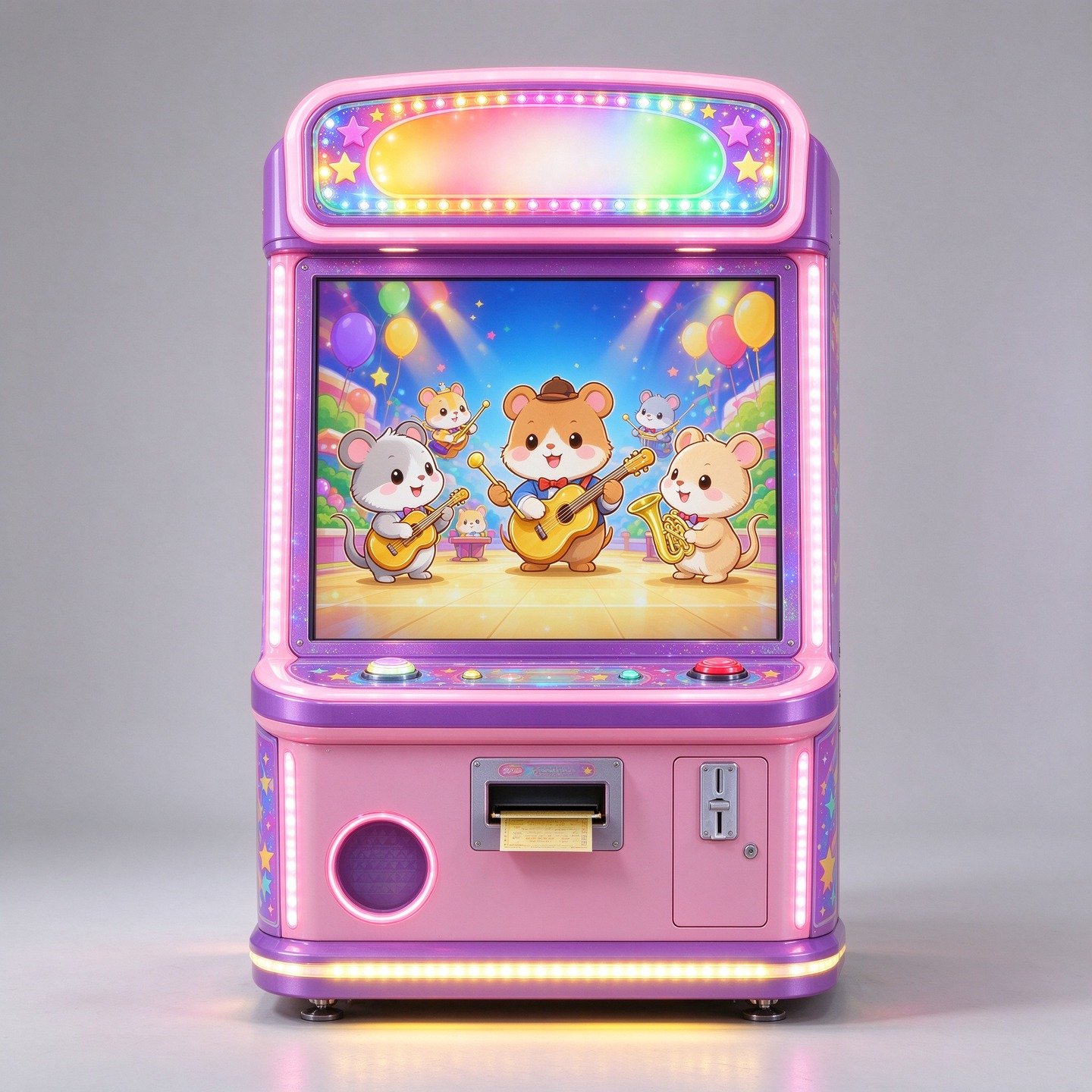
    Built for younger kids. At 198 × 145 × 187 cm it is one of the shorter cabinets in the line, which keeps the play area within reach. 960W / 220V.

    Item Animal Fantasy
    Dimensions (L×W×H) 198 × 145 × 187 cm
    Power 960W / 220V / 50Hz
    EXW Price Rp 51,028,300
    Animal Fantasy ticket machine for kids

    View Animal Fantasy on the product page.

    Mecha Agent

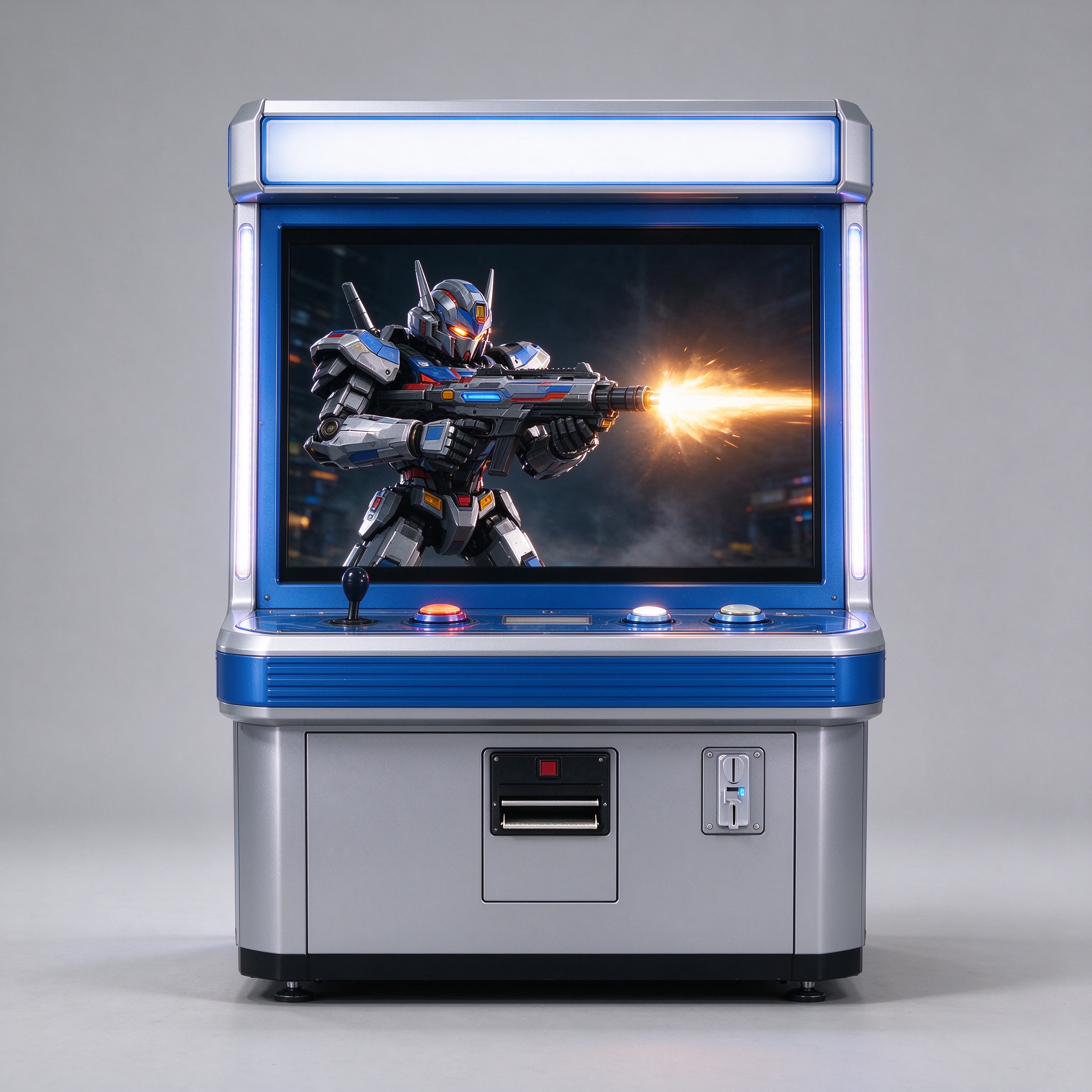
    A narrow upright cabinet — 69.9 × 225 × 260 cm, 600W. If your space is tight but you want a tall, eye-catching cabinet near the entrance, this is the one that fits in a 70 cm slot.

    Item Mecha Agent
    Dimensions (L×W×H) 69.9 × 225 × 260 cm
    Power 600W / 220V / 50Hz
    EXW Price Rp 51,028,300
    Mecha Agent upright ticket machine

    View Mecha Agent on the product page.

    Dino Generation 2

    The lowest cabinet of the five at 180 × 165 × 86 cm — a short, wide unit that sits low to the floor. 960W. Good for pairing with a small prize counter or placing next to a kiddie ride corner.

    Item Dino Generation 2
    Dimensions (L×W×H) 180 × 165 × 86 cm
    Power 960W / 220V / 50Hz
    EXW Price Rp 56,740,400

    View Dino Generation 2 on the product page.

    What to Plan Before You Order

    A redemption bank is not just five machines. Four things decide whether the section makes money:

    • Power load. These machines draw 600–960W each. Five of them on one circuit is roughly 3–4.5 kW, plus the rest of your hall. Have your electrician size the main breaker and the outlets before the containers arrive, not after.
    • Prize supply. Tickets are only worth something if there is a prize shelf. Budget for plush toys, small electronics, candy and stationery alongside the machines. We can suggest a starter prize range based on how many tickets each game pays out.
    • Floor layout. Group the tall cabinets (Fury Sea Arrow, Mecha Agent) as visual anchors near the entrance, and put the short family games (Dino Gen 2, Animal Fantasy) near the kiddie corner. Leave a 1.2 m walkway between rows — wider than you think, because parents stop and watch.
    • Voltage and plug. Indonesia runs 220V / 50Hz. Every machine above is already wired for 220V. Tell us which plug type you need before production finishes, and the factory fits it.

    Price and Payment

    EXW Guangzhou pricing for the five machines runs Rp 47.2 million to Rp 56.7 million per cabinet, depending on the model. You buy at factory level in Rupiah, with no FOB markup layered on top. Live prices are on each product page.

    Payment is the same structure we use for every buyer: 30% deposit by T/T against the proforma invoice, 70% before shipment. We do not take full prepayment, and we never send payment details to a personal account. If a supplier pushes you off that structure, treat it as a warning.

    Frequently Asked Questions

    How many ticket machines do I need to start?

    For a first redemption bank, four to six machines is the minimum that feels like a section rather than a corner. Mix two tall visual anchors, one kids’ game, and one or two mid-size cabinets. A 200 sq m FEC usually runs 8–12 redemption machines.

    Do the tickets and ticket dispensers come with the machine?

    Yes. Each cabinet ships with its ticket dispenser and a starter roll of tickets. We can also arrange extra ticket paper by the box if you want to stock up.

    Can these machines be set to Rupiah coin or token mode?

    Coin mechanisms are configurable before shipment. Tell us the coin size or token type you use in your venue, and the factory sets it that way.

    Do you handle delivery to Jakarta or other Indonesian cities?

    Yes. We handle the China side end to end — factory coordination, pre-export quality check, export documents, and sea freight booking. Your Indonesian customs broker or forwarder takes over from the port.

    Start Your Redemption Order

    Send us your machine list, your venue size and your opening date. We will reply with a written EXW quotation in Rupiah, a suggested floor layout, and a prize-supply starter list.

    WhatsApp: +86 189-2511-3615

    Prefer to browse first? Explore the full catalog. Every product page shows the EXW price in Rupiah, and every order is backed by our own factory QC before export.
  • Arcade Game Machines for Indonesia: Racing Machines, Prices & Import Guide

    Arcade Game Machines for Indonesia: Racing Machines, Prices & Import Guide

    Run a family entertainment centre, a mall game zone or a playground in Indonesia, and you already know which machines keep the queue moving: the ones kids actually play, not just watch. Racing games sit near the top of that list. This article covers the two coin-operated racing machines we supply, what they cost, and what to check before you import them.

    Arcade machines are a bigger category than most first-time importers expect. A good machine runs for years, and the income comes back coin by coin, day after day. These two are the ones our buyers re-order for indoor parks and mall game areas.

    Both come from Playfun Games Co., Ltd. in Guangzhou, one of our partner factories. Prices, specs and payment terms below follow their published wholesale sheet.

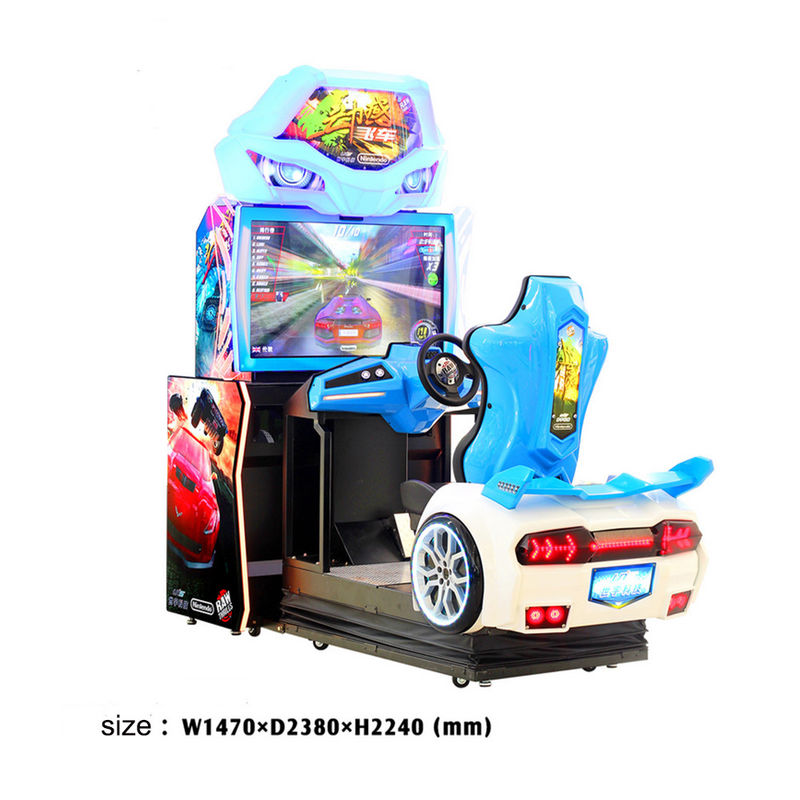
    Cursion Blaster II arcade car racing machine

    Why Racing Machines Earn Their Floor Space

    Two reasons. They are multiplayer, so a two-player cabinet still earns while one player is weak — the other one keeps racing. And the rounds are short and loud, which turns the machine over quickly and gets the next coin in sooner.

    Both cabinets below are built for commercial use: metal frames, coin mechanisms, and screens sized for a busy game hall rather than a home.

    Cursion Blaster II: Car Racing Simulator

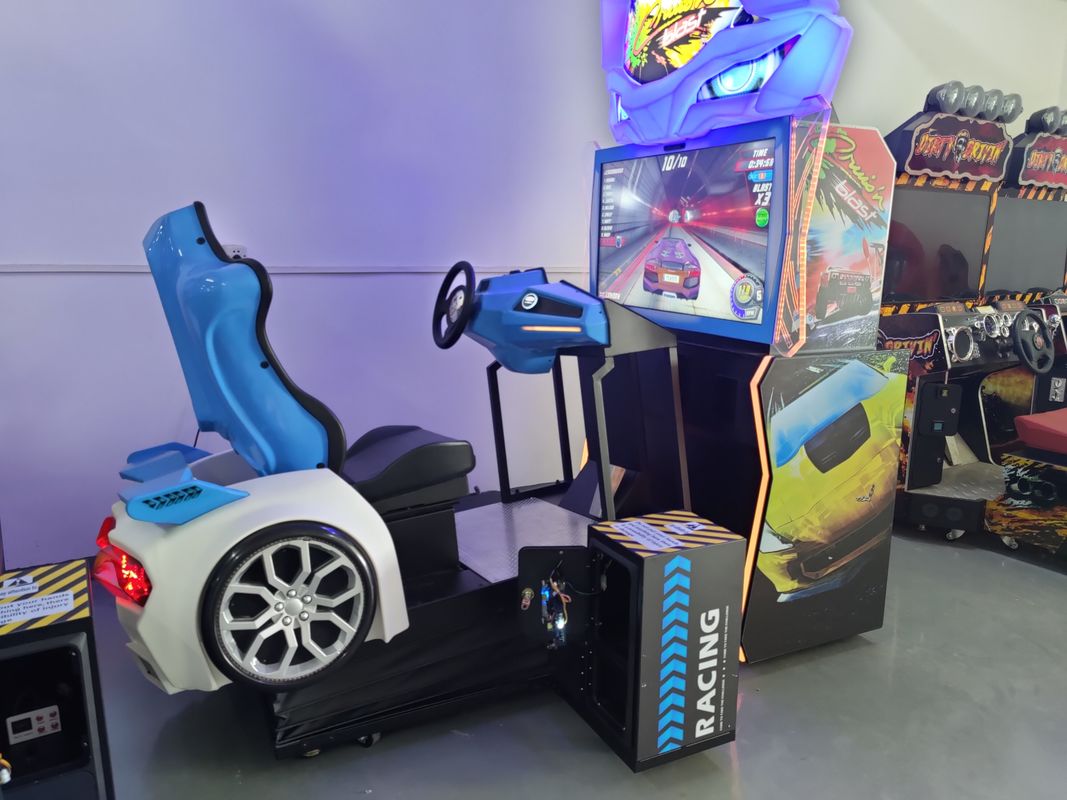
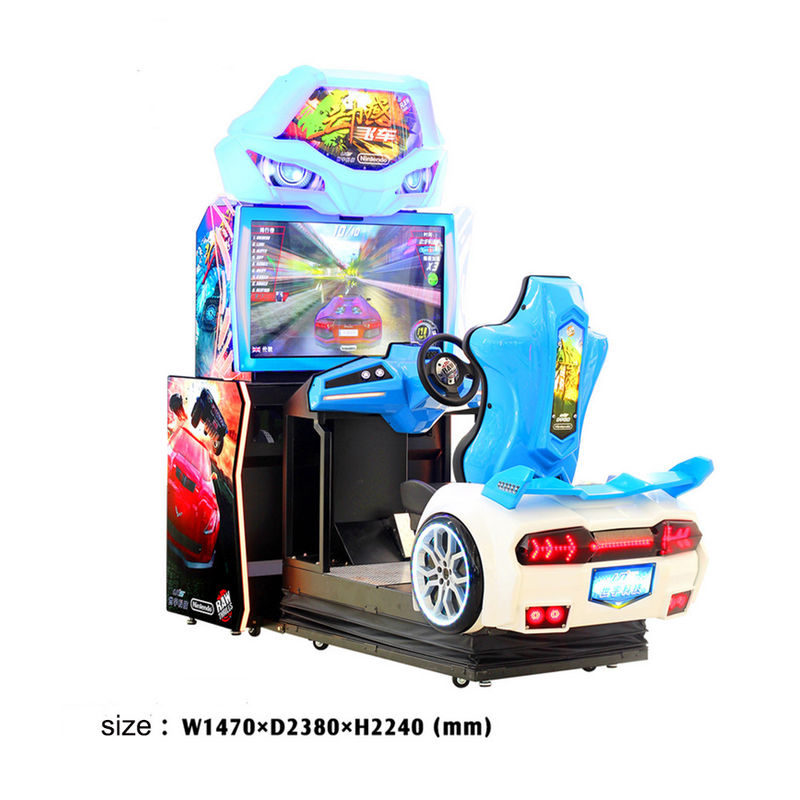
    The Cursion Blaster II is a two-player car racing simulator with a dynamic steering wheel, pedals and an adjustable seat. Players pick a car, race the track, and can switch camera view mid-race. It runs on a 32-inch screen setup inside a full-size cabinet.

    Item Cursion Blaster II
    Players 2
    Dimensions (W×D×H) 1150 × 2200 × 2400 mm
    Weight 320 kg
    Packing size 120×70×181 cm + 174×93×178 cm (2 packages)
    Certification CE
    Cursion Blaster II car racing arcade machine front view

    Watch how the game plays:

    Manx TT Moto Racing: Motorcycle Racing

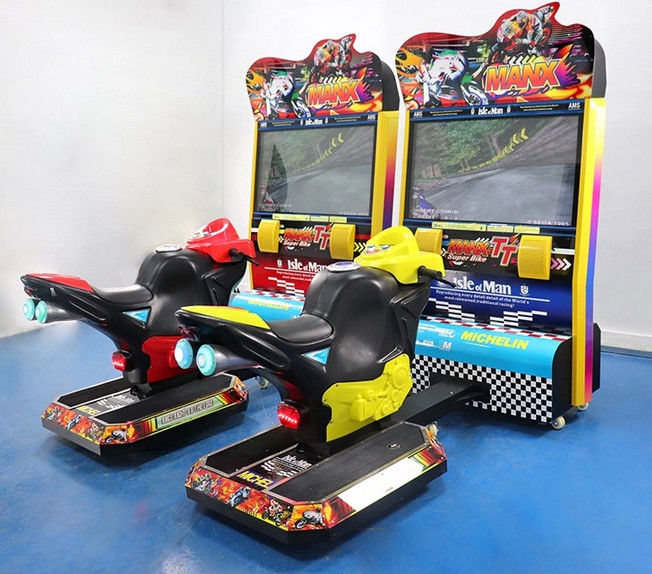
    If a bike layout suits your space better, the Manx TT is the motorcycle version: two players, handlebar controls and a 42-inch LED screen. Same commercial build, slightly bigger footprint and weight than the car cabinet.

    Item Manx TT (42″ LED)
    Players 2
    Dimensions (W×D×H) 2000 × 2100 × 2050 mm
    Weight 330 kg
    Certification CE
    Manx TT motorcycle racing arcade machine

    What to Check Before You Order

    Four things matter more than the machine itself:

    • Power. Indonesia runs 220V / 50Hz. Confirm the machine is configured for 220V, and tell the factory which plug type you need before production finishes.
    • Shipping space. The Cursion Blaster II packs into two crates, about 4.4 CBM total. The Manx TT is similar. Plan the container split with your forwarder early — one racing cabinet can take the space of four small claw machines.
    • Import duty. For Indonesia, check the HS code with your customs broker before you sign anything. If the machine qualifies under the ACFTA certificate of origin, the duty drops significantly. We covered ACFTA in detail in our earlier import duty guide.
    • Spare parts. Coin mechanisms, buttons and screens wear out first. Ask the factory to include a small spare parts kit with the order, and get the warranty period in writing.

    Price and Payment

    Factory wholesale price for these two machines is Rp 135,487,500 per unit, EXW Guangzhou — about Rp 135.5 million, depending on screen size and cabinet finish. You buy at factory level, not retail, and the price is quoted in Rupiah at the factory gate. Live prices are on the product pages: Cursion Blaster II and Manx TT Moto Racing.

    Payment follows the pattern we recommend to every buyer: 30% deposit by T/T against a proforma invoice, and 70% before shipment. No full prepayment, and nothing to a personal account. If a supplier pushes you away from that structure, treat it as a red flag on its own.

    Frequently Asked Questions

    How many machines fit in one container?

    A 40HQ container holds roughly 60+ CBM. Racing cabinets are large, so work with your forwarder on the exact split. As a guide, one Cursion Blaster II takes about 4.4 CBM in two crates.

    Do you handle delivery to Jakarta or other cities in Indonesia?

    Yes. KitaToko handles the China side end to end: factory coordination, quality check before export, export documents, and sea freight booking. Your customs broker or forwarder in Indonesia takes it from the port.

    What warranty do the machines come with?

    Playfun provides a factory warranty, and we put it in writing on the order. Spare parts kits are available, and we can arrange a stock of common wear parts in your market so you are not waiting on a ship for a button.

    Start Your Order with KitaToko

    Send us your machine list, your location and your target opening date. We will reply with a written EXW quotation in Rupiah, arrange the quality check before export, and prepare the export documents for clearance.

    WhatsApp: +86 189-2511-3615

    Prefer to browse first? Explore the catalog. Every product page shows the EXW price in Rupiah, and every order is backed by our own factory QC.

  • How to Buy from China Safely: Supplier Checks, Samples & Payment Tips

    How to Buy from China Safely: Supplier Checks, Samples & Payment Tips

    Plenty of import deals go wrong before any shipping happens. The factory turns out to be a middleman, the deposit goes somewhere you cannot follow, or the sample you approved looks nothing like the bulk order. This guide walks through what to check before you pay anyone, how to test quality with samples, and how to set up payment so neither side gets burned.

    You found a product, the price looks right, and the supplier wants a 30% deposit to start. Before you transfer anything, verify three things: who you are paying, what you are actually getting, and what happens if something goes wrong.

    This is how we handle buying decisions at KitaToko, and the same things we tell buyers who are new to importing from China.

    Check Chinese wholesale supplier before ordering

    Check the Supplier Before You Trust Them

    A few minutes of checking can save you months of chasing later. Start with these three:

    • Ask to see their business licence and factory address. A real factory can show you its registered name, its address, and usually a company website or Alibaba page that matches. If the address is vague, treat that as a warning.
    • Ask for a live video call inside the factory. Not a pre-recorded video, and not a photo album. You want to see the production line, and your product, or something close to it, being made. A real factory can usually arrange this within a day.
    • Find out whether you are dealing with a factory or a trading company. Both can work. A trading company often handles paperwork better, but you pay a margin and quality control is less direct. If you want factory pricing and direct QC, buy from the factory; if you want convenience and export handling, a trading company may suit you better.

    Order Samples Before the Bulk Order

    Samples are the cheapest insurance you will buy. For most consumer goods, a sample costs a small fraction of the full order, and many suppliers refund the sample fee once you place the bulk order.

    When the sample arrives, check the obvious things first: materials, stitching or moulding quality, dimensions, colour, packaging. Then actually use it for a week. If a product fails on day one of normal use, you do not want a thousand of them.

    Agree in advance what happens if the bulk order does not match the sample. A written note from the supplier, confirming that production must match the approved sample and that defective items will be replaced or refunded, is worth more than any verbal promise.

    Order product samples before bulk import

    Agree on Payment Terms That Protect Both Sides

    Payment terms are where most importers get nervous, and with good reason. For wholesale buying from China, you will mostly see three patterns:

    • T/T (bank transfer): usually 30% to start production and 70% before shipment, or a 30/40/30 split. It is the most common setup and works fine once you trust the supplier.
    • Letter of Credit (L/C): the bank releases payment only against the shipping documents. Safer for large orders, but slower, and bank fees add up. Usually only worth it above a certain order size.
    • Escrow or platform payment: paying through Alibaba or a similar platform keeps the money with the platform until you confirm the goods. Small fee, and a lot less stress for a first order.

    Whatever you agree on, get it in writing: supplier name, bank details, amounts, dates. And if a supplier pushes you to send the full amount to a personal account before production starts, treat that as a red flag.

    Safe payment terms T/T import from China

    Get Everything in Writing: The Proforma Invoice

    Before you pay anything, ask for a proforma invoice (PI). A proper PI lists the product, quantity, unit price, total value, payment terms, delivery time, packaging, and the Incoterms (FOB, EXW or CIF). It is your contract, your payment instruction, and your reference for customs, all in one document.

    Check it twice: the product name and HS code should match what you actually ordered, and the delivery date should be a real commitment, not “as soon as possible”. If anything on the PI is vague, ask to have it clarified before you transfer money.

    Red Flags to Walk Away From

    Sometimes the best decision is not to buy at all. Take these signals seriously:

    • Price well below every other quote for the same product.
    • Supplier refuses a video call or a visit.
    • Payment requested to a personal bank account or a different company name than the one on the licence.
    • No proforma invoice, or a PI with vague terms.
    • Pressure to pay everything upfront “because it is a special price”.

    None of these alone proves fraud. But each one raises the risk, and when several appear together, the cheapest product stops being cheap.

    Frequently Asked Questions

    Is it safe to pay a deposit to a Chinese supplier?

    Yes, with the right checks. A 30% deposit by T/T against a proper proforma invoice is the standard practice. The risk drops when you have verified the factory, seen a sample, and can reach the supplier by video call.

    Can I get my sample fee back?

    Many suppliers refund the sample fee when you place a bulk order. Ask before ordering, and get it written on the invoice if possible.

    Does KitaToko work with verified factories?

    Yes. All KitaToko products come from our partner factories, and every unit is quality checked before export. You deal with one company from quotation to shipment, with EXW or FOB pricing in Rupiah and T/T payment.

    Start With a Verified Supplier

    If you would rather skip the detective work, that is exactly what KitaToko is for. Send us your product list on WhatsApp and we will reply with a written FOB / EXW quotation in Rupiah, quality checked before export and export documents prepared for clearance.

    WhatsApp: +86 189-2511-3615

    Prefer to browse first? Explore the catalog. Every product shows its FOB and EXW price, and every order is backed by our own factory QC.

  • Indonesia Import Duty Guide: ACFTA Tariffs, Taxes & Clearance Explained

    Indonesia Import Duty Guide: ACFTA Tariffs, Taxes & Clearance Explained

    Import duty is the cost most buyers forget to budget for. Your supplier quotes FOB, you pay for the goods, and then the customs bill arrives with three extra charges on top. This guide goes through each one and shows, with a worked example, how the ACFTA agreement can wipe out the biggest of them.

    You pick a supplier, compare FOB prices, and place the order. A few weeks later the broker’s invoice lands and it looks wrong. It is not wrong — FOB only covers the goods at the port. Once your container reaches Indonesia, customs adds import duty, VAT, and advance income tax on top.

    Below we use the same numbers a broker would use, so you can estimate the real cost before you buy.

    Wholesale import goods from China to Indonesia

    What Is Import Duty and Why Does the HS Code Matter?

    Import duty (Bea Masuk) is a percentage of the CIF value — the goods (FOB), plus freight, plus insurance. Customs charges it when your shipment enters Indonesia.

    How much you pay depends on the HS code, the 8-to-10 digit number customs uses to classify every product. Under the standard MFN rate, most consumer goods fall in the 5% to 15% range, though some protected categories (certain textiles, some electronics) run higher.

    Don’t guess your HS code. Ask your broker to confirm it before you order. A wrong classification can mean a higher rate, and if customs decides the mistake was deliberate, a penalty.

    ACFTA: The Free-Trade Agreement That Cuts Your Tariff

    ACFTA (ASEAN-China Free Trade Area) lets Chinese goods into Indonesia at a reduced rate, and for many consumer products that rate is 0%.

    The catch: you have to ask for it. Your supplier must include a Certificate of Origin (Form E) with the shipping documents, and your broker files it together with the import declaration (PIB). No Form E, no discount.

    ACFTA zero tariff import from China

    On a big order this matters. 0% instead of 10% on a 100 million rupiah shipment is a ten million rupiah saving — often more than the freight bill itself.

    Not every product qualifies, so check with your broker before you order: whether your items are ACFTA-eligible and which documents the exporter must prepare.

    The Three Taxes You Pay on Every Import

    Every commercial import into Indonesia pays three charges, all collected by customs at the same time:

    • Import Duty (Bea Masuk): 0–15% for most consumer goods, and 0% for many under ACFTA with Form E.
    • PPN (VAT): the import VAT. The nominal rate went to 12% in 2025, but ordinary goods are still charged an effective 11%, calculated on the CIF value plus duty.
    • PPh 22 (Advance Income Tax): an income tax prepayment collected at import. 2.5% of the import value with an importer licence (API), 7.5% without one.

    Your own rates depend on your licence status and the goods, and they do change. The customs assessment for your shipment is the only place to see the current figures.

    Worked Example: What Does One Shipment Actually Cost?

    Let’s run one example end to end. Say you import a container of toys and household goods:

    • FOB value: Rp 90.000.000
    • Ocean freight + insurance: Rp 10.000.000
    • CIF value: Rp 100.000.000

    With an ACFTA Form E (import duty 0%):

    1. Import duty = 0% × Rp 100.000.000 = Rp 0
    2. PPN (VAT) = 11% × (Rp 100.000.000 + Rp 0) = Rp 11.000.000
    3. PPh 22 = 2,5% × (Rp 100.000.000 + Rp 0) = Rp 2.500.000 (importer with API)

    Total tax: Rp 13.500.000, or 13,5% of the CIF value.

    Now the same container without ACFTA, at a 10% MFN duty rate:

    1. Import duty = 10% × Rp 100.000.000 = Rp 10.000.000
    2. PPN = 11% × (Rp 100.000.000 + Rp 10.000.000) = Rp 12.100.000
    3. PPh 22 = 2,5% × Rp 110.000.000 = Rp 2.750.000

    Total tax: Rp 24.850.000. Nearly double, and the only difference is one piece of paper.

    Import clearance cost calculation Indonesia

    Practical Clearance Tips for Indonesian Buyers

    1. Use a licensed customs broker (PPJK)

    A licensed broker prepares the import declaration (PIB), files it through the national single window, and handles the assessment. Don’t let the exporter work out your Indonesian taxes for you — they don’t know your licence status or the current rates.

    2. Get the HS code confirmed before you order

    Send your product list to the broker before ordering. A correct HS classification protects you from an unexpected tariff, or a customs inspection that sits on your goods for weeks.

    3. Ask your supplier for a Form E at the time of booking

    Request the Form E when you place the order, not after shipment. Missing paperwork is the most common reason buyers lose the zero-tariff rate.

    4. Keep three documents ready for every shipment

    The commercial invoice, packing list, and bill of lading (or airway bill). Your broker needs all three, plus the Form E, before the PIB can be filed.

    Frequently Asked Questions

    Who pays the import duty — the buyer or the seller?

    The buyer, as the importer of record. A seller’s price is usually quoted FOB or EXW, which ends at the port or factory gate; everything after that is yours, including the customs charges.

    Is ACFTA automatically applied to my shipment?

    No. You claim it by submitting the Form E with the import declaration. If the Form E is missing, customs applies the standard MFN rate, which can be much higher.

    Can KitaToko help me estimate the total landed cost?

    Yes. Every product on KitaToko shows its FOB and EXW price in IDR. Send your list to us on WhatsApp and we’ll give you a written quotation — then take that to your broker to calculate the exact taxes for your shipment.

    Get Your FOB & EXW Quote Today

    Ready to price your next order? Send your product list to KitaToko on WhatsApp and we’ll reply with a written FOB / EXW quote in Rupiah. We ship from China to Indonesia every week, and we’ll make sure the Form E is included in your paperwork so clearance goes smoothly.

    WhatsApp: +86 189-2511-3615

    Prefer to browse first? Explore the full catalog — every product already shows its FOB and EXW price.

  • How to Import from China to Indonesia: FOB, EXW & T/T Payment Explained

    How to Import from China to Indonesia: FOB, EXW & T/T Payment Explained

    FOB and EXW are the two most common pricing terms you will meet when buying wholesale products from China. This guide explains both, shows you how they change your total cost, and walks you through the import process from China to Indonesia — including T/T payment and how to get a reliable factory quote.

    If you are a reseller, shop owner, or distributor in Indonesia, importing from China is one of the most cost-effective ways to build your product range. But the first wall most buyers hit is the pricing terms: FOB, EXW, CIF, T/T… What do they actually mean, and which one should you ask for?

    This article breaks everything down in plain language, using the exact terms KitaToko uses on every product page, so you can compare quotes with confidence.

    Wholesale products from China to Indonesia

    What Does FOB Mean?

    FOB (Free On Board) is a shipping term that means the seller is responsible for the goods until they are loaded onto the ship at the port of origin. After that, the risk and the shipping cost belong to you.

    In practical terms, when a supplier gives you an FOB price, it usually already includes:

    • The product itself
    • Export packaging and cartons
    • Loading at the origin port (for example, Guangzhou or Shenzhen)
    • Export customs clearance

    What it does not include: the ocean freight from China to Indonesia, insurance, and import duty in Indonesia. Those are added on top of the FOB price.

    What Does EXW Mean?

    EXW (Ex-Works) means the buyer collects the goods directly at the factory gate. The seller’s responsibility ends at the factory door — you arrange the trucking, export formalities, and everything after that.

    Because the seller does less work, EXW is always cheaper than FOB. The difference is the cost of the internal logistics and export handling that you now arrange yourself.

    EXW vs FOB: which one should you choose?

    Ask yourself one question: do you already have a freight forwarder or a consolidator that can pick up from Chinese factories?

    • Choose FOB if you want a single point of responsibility and an easy door-to-port experience. Most first-time importers choose FOB.
    • Choose EXW if you have your own forwarder, or you are consolidating goods from several factories in the same area and want to control the inland logistics yourself to save money.
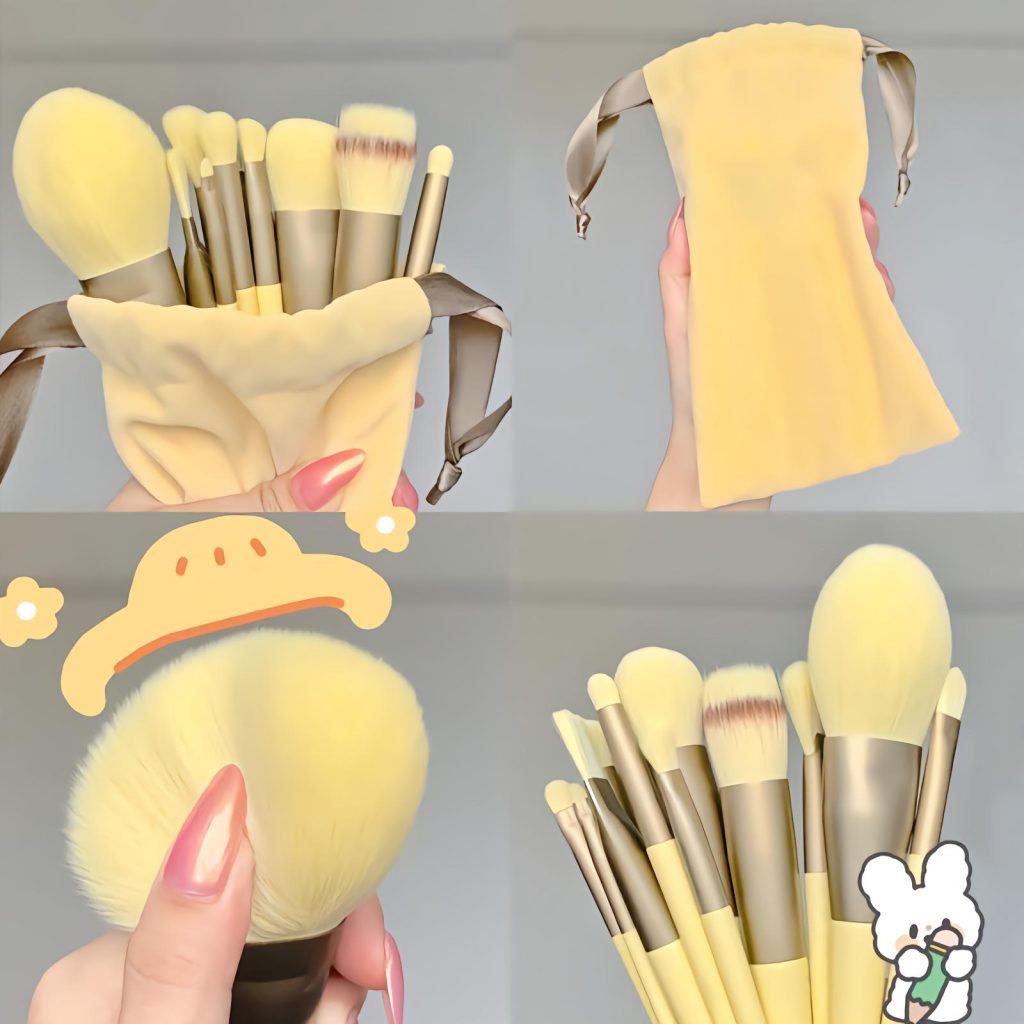
    Professional makeup brush set wholesale

    All prices on KitaToko are quoted in Indonesian Rupiah (IDR), so there is no currency confusion when you compare against your local market price.

    Payment Terms: T/T (Telegraphic Transfer)

    KitaToko accepts T/T (Telegraphic Transfer) — a direct bank transfer, and the most common payment method for B2B wholesale between China and Indonesia. The standard process:

    1. You confirm the products, quantities, and the price term (FOB or EXW).
    2. We send you a formal quotation with the total amount.
    3. You pay a deposit by T/T (typically 30%) to start production or reserve stock.
    4. The balance (typically 70%) is paid before shipment, based on the agreed terms.

    For larger, repeat orders, we can discuss flexible payment arrangements. Every quotation is written and confirmed before any payment is made.

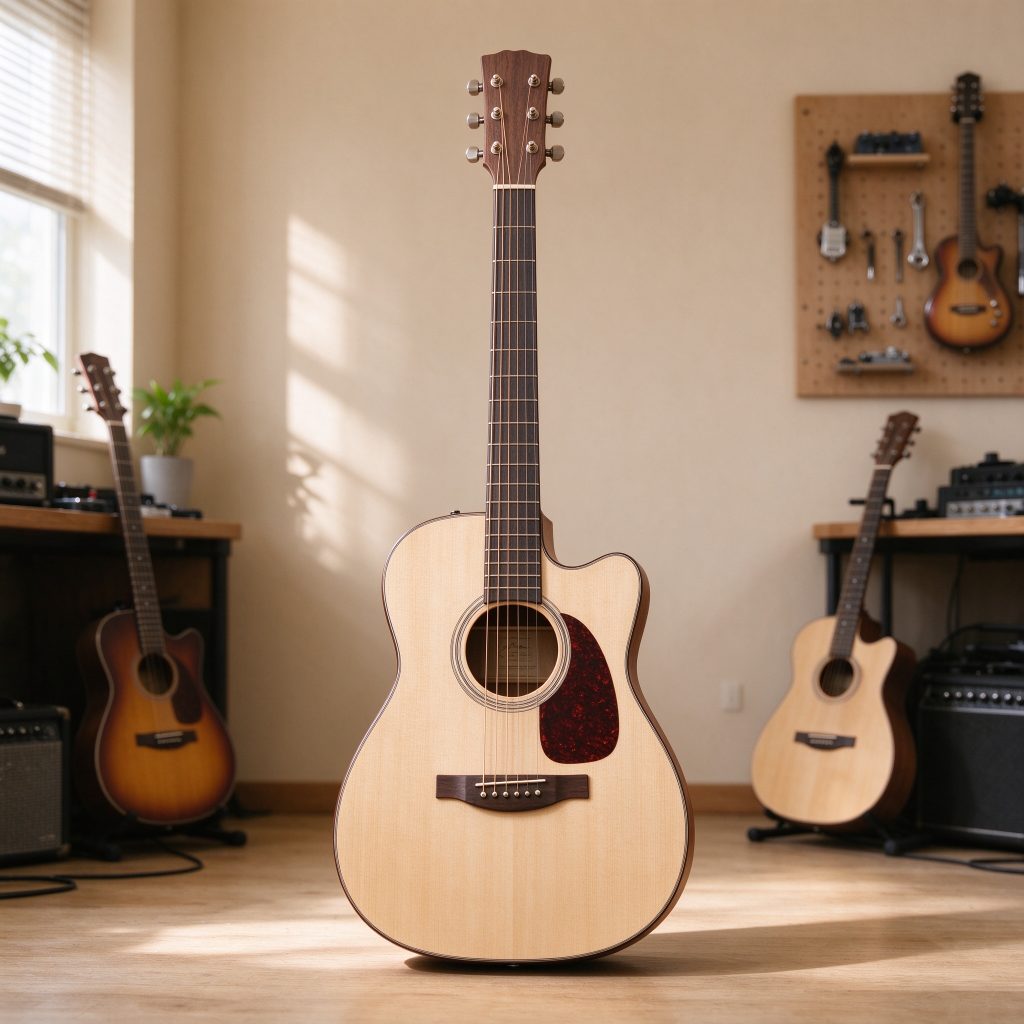
    Acoustic guitar wholesale from China

    Step-by-Step: Importing from China to Indonesia

    Step 1 — Choose your products

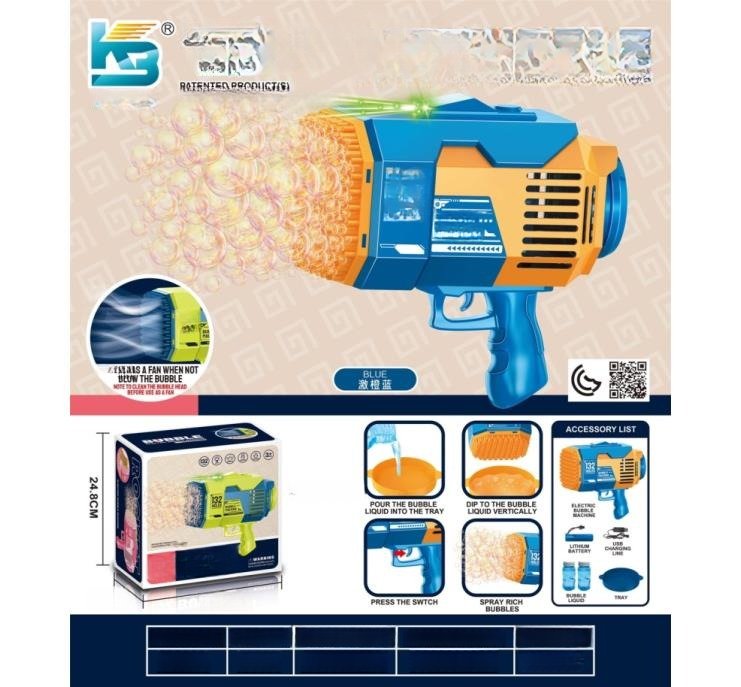
    Browse the KitaToko shop and pick the products you want. We cover eight categories: arcade and entertainment machines, musical instruments, infant products, toys, silicone products, beauty care, and slippers.

    Step 2 — Request a quote

    Message us on WhatsApp with your product list and quantities. We reply within 24 hours with a written quotation showing both the FOB and EXW prices in IDR, plus the T/T payment schedule. No obligation, no hidden fees.

    Step 3 — Arrange shipping

    With FOB, we deliver the goods to the port of origin and handle export clearance. You (or your forwarder) arrange the sea freight to Indonesia — the most common routes go through Tanjung Priok (Jakarta), Tanjung Perak (Surabaya), and Belawan (Medan).

    Step 4 — Import clearance in Indonesia

    Your customs broker clears the shipment in Indonesia. Key documents you will need: commercial invoice, packing list, bill of lading, and the certificate of origin if you want to claim preferential duty under ACFTA (ASEAN-China Free Trade Area).

    Step 5 — Receive and sell

    Once the goods arrive at your warehouse, do a quick quality check against the invoice, then list them for sale. That is the whole journey — from a Chinese factory to your shop in Indonesia.

    Arcade game machine wholesale Indonesia

    Frequently Asked Questions

    Is importing from China to Indonesia legal and common?

    Yes. Indonesia imports a large share of its consumer goods from China. The key is to use a reliable supplier, keep proper documentation, and follow the customs and tax rules through a licensed broker.

    How much does import duty cost in Indonesia?

    Import duty depends on the HS code of the product. Many consumer goods fall under ACFTA preferential rates, which can significantly reduce the tariff. Always confirm the HS code with your customs broker before ordering.

    What is the minimum order quantity at KitaToko?

    We are flexible and can discuss MOQ based on the product. Message us on WhatsApp and we will confirm the MOQ for the items you are interested in.

    Why are prices quoted in Rupiah?

    Because KitaToko is built for Indonesian buyers, all prices are listed in IDR so you know exactly what you will pay — no exchange-rate surprises.

    Get Your FOB & EXW Quote Today

    Ready to start importing? Send your product list to us on WhatsApp and get a written FOB / EXW quotation in IDR within 24 hours. Our team will help you choose the right products for the Indonesian market.

    WhatsApp: +86 189-2511-3615

    Prefer to browse first? Explore the full catalog — every product already shows its FOB and EXW price.

Chat on WhatsApp