Author: admin

  • How to Buy from China Safely: Supplier Checks, Samples & Payment Tips

    Plenty of import deals go wrong before any shipping happens. The factory turns out to be a middleman, the deposit goes somewhere you cannot follow, or the sample you approved looks nothing like the bulk order. This guide walks through what to check before you pay anyone, how to test quality with samples, and how to set up payment so neither side gets burned.

    You found a product, the price looks right, and the supplier wants a 30% deposit to start. Before you transfer anything, verify three things: who you are paying, what you are actually getting, and what happens if something goes wrong.

    This is how we handle buying decisions at KitaToko, and the same things we tell buyers who are new to importing from China.
    Check Chinese wholesale supplier before ordering

    Check the Supplier Before You Trust Them

    A few minutes of checking can save you months of chasing later. Start with these three:

    • Ask to see their business licence and factory address. A real factory can show you its registered name, its address, and usually a company website or Alibaba page that matches. If the address is vague, treat that as a warning.
    • Ask for a live video call inside the factory. Not a pre-recorded video, and not a photo album. You want to see the production line, and your product, or something close to it, being made. A real factory can usually arrange this within a day.
    • Find out whether you are dealing with a factory or a trading company. Both can work. A trading company often handles paperwork better, but you pay a margin and quality control is less direct. If you want factory pricing and direct QC, buy from the factory; if you want convenience and export handling, a trading company may suit you better.

    Order Samples Before the Bulk Order

    Samples are the cheapest insurance you will buy. For most consumer goods, a sample costs a small fraction of the full order, and many suppliers refund the sample fee once you place the bulk order.

    When the sample arrives, check the obvious things first: materials, stitching or moulding quality, dimensions, colour, packaging. Then actually use it for a week. If a product fails on day one of normal use, you do not want a thousand of them.

    Agree in advance what happens if the bulk order does not match the sample. A written note from the supplier, confirming that production must match the approved sample and that defective items will be replaced or refunded, is worth more than any verbal promise.
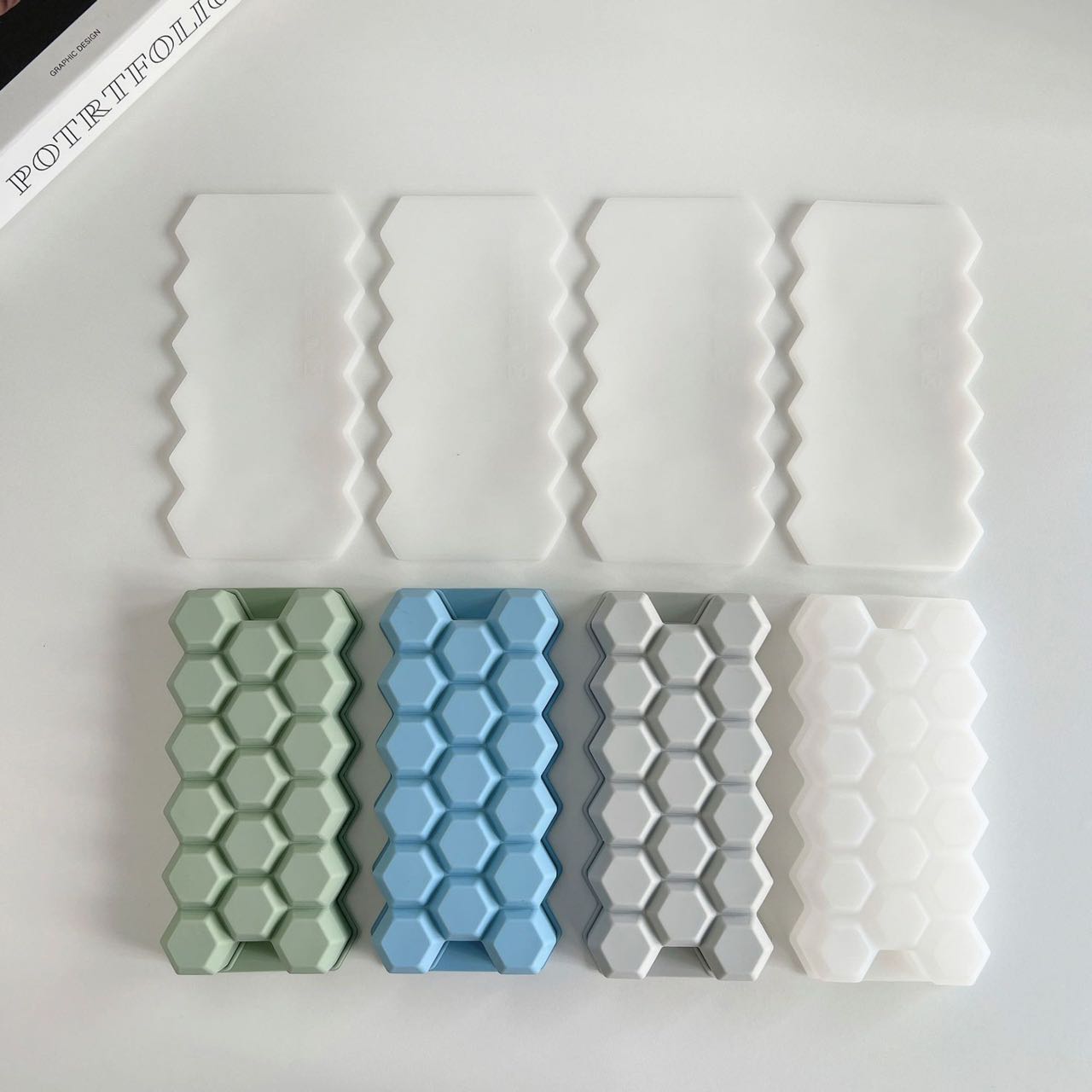
    Order product samples before bulk import

    Agree on Payment Terms That Protect Both Sides

    Payment terms are where most importers get nervous, and with good reason. For wholesale buying from China, you will mostly see three patterns:

    • T/T (bank transfer): usually 30% to start production and 70% before shipment, or a 30/40/30 split. It is the most common setup and works fine once you trust the supplier.
    • Letter of Credit (L/C): the bank releases payment only against the shipping documents. Safer for large orders, but slower, and bank fees add up. Usually only worth it above a certain order size.
    • Escrow or platform payment: paying through Alibaba or a similar platform keeps the money with the platform until you confirm the goods. Small fee, and a lot less stress for a first order.

    Whatever you agree on, get it in writing: supplier name, bank details, amounts, dates. And if a supplier pushes you to send the full amount to a personal account before production starts, treat that as a red flag.
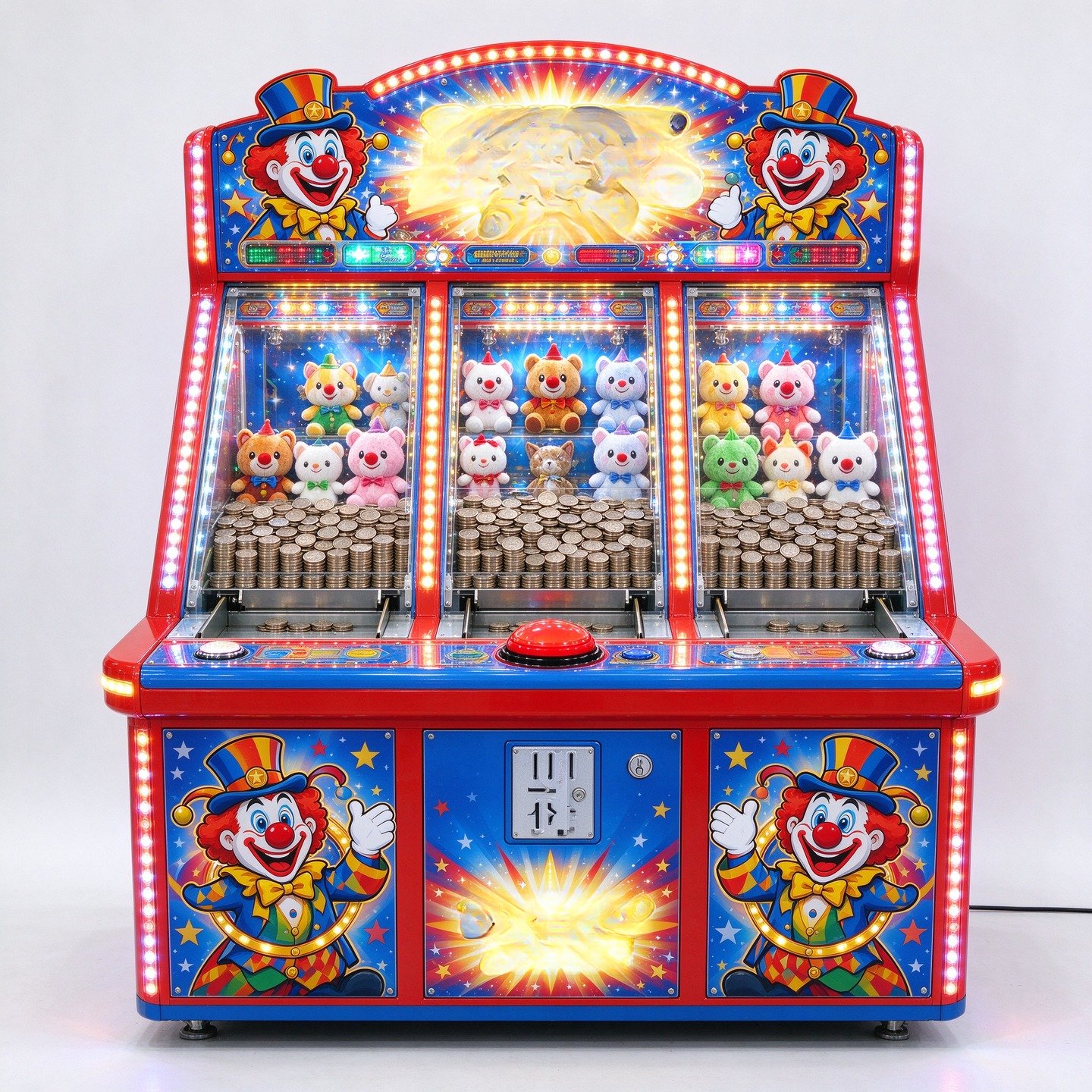
    Safe payment terms T/T import from China

    Get Everything in Writing: The Proforma Invoice

    Before you pay anything, ask for a proforma invoice (PI). A proper PI lists the product, quantity, unit price, total value, payment terms, delivery time, packaging, and the Incoterms (FOB, EXW or CIF). It is your contract, your payment instruction, and your reference for customs, all in one document.

    Check it twice: the product name and HS code should match what you actually ordered, and the delivery date should be a real commitment, not “as soon as possible”. If anything on the PI is vague, ask to have it clarified before you transfer money.

    Red Flags to Walk Away From

    Sometimes the best decision is not to buy at all. Take these signals seriously:

    • Price well below every other quote for the same product.
    • Supplier refuses a video call or a visit.
    • Payment requested to a personal bank account or a different company name than the one on the licence.
    • No proforma invoice, or a PI with vague terms.
    • Pressure to pay everything upfront “because it is a special price”.

    None of these alone proves fraud. But each one raises the risk, and when several appear together, the cheapest product stops being cheap.

    Frequently Asked Questions

    Is it safe to pay a deposit to a Chinese supplier?

    Yes, with the right checks. A 30% deposit by T/T against a proper proforma invoice is the standard practice. The risk drops when you have verified the factory, seen a sample, and can reach the supplier by video call.

    Can I get my sample fee back?

    Many suppliers refund the sample fee when you place a bulk order. Ask before ordering, and get it written on the invoice if possible.

    Does KitaToko work with verified factories?

    Yes. All KitaToko products come from our partner factories, and every unit is quality checked before export. You deal with one company from quotation to shipment, with EXW or FOB pricing in Rupiah and T/T payment.

    Start With a Verified Supplier

    If you would rather skip the detective work, that is exactly what KitaToko is for. Send us your product list on WhatsApp and we will reply with a written FOB / EXW quotation in Rupiah, quality checked before export and export documents prepared for clearance.

    WhatsApp: +86 189-2511-3615

    Prefer to browse first? Explore the catalog. Every product shows its FOB and EXW price, and every order is backed by our own factory QC.
  • Indonesia Import Duty Guide: ACFTA Tariffs, Taxes & Clearance Explained

    Import duty is the cost most buyers forget to budget for. Your supplier quotes FOB, you pay for the goods, and then the customs bill arrives with three extra charges on top. This guide goes through each one and shows, with a worked example, how the ACFTA agreement can wipe out the biggest of them.

    You pick a supplier, compare FOB prices, and place the order. A few weeks later the broker’s invoice lands and it looks wrong. It is not wrong — FOB only covers the goods at the port. Once your container reaches Indonesia, customs adds import duty, VAT, and advance income tax on top.

    Below we use the same numbers a broker would use, so you can estimate the real cost before you buy.

    Wholesale import goods from China to Indonesia

    What Is Import Duty and Why Does the HS Code Matter?

    Import duty (Bea Masuk) is a percentage of the CIF value — the goods (FOB), plus freight, plus insurance. Customs charges it when your shipment enters Indonesia.

    How much you pay depends on the HS code, the 8-to-10 digit number customs uses to classify every product. Under the standard MFN rate, most consumer goods fall in the 5% to 15% range, though some protected categories (certain textiles, some electronics) run higher.

    Don’t guess your HS code. Ask your broker to confirm it before you order. A wrong classification can mean a higher rate, and if customs decides the mistake was deliberate, a penalty.

    ACFTA: The Free-Trade Agreement That Cuts Your Tariff

    ACFTA (ASEAN-China Free Trade Area) lets Chinese goods into Indonesia at a reduced rate, and for many consumer products that rate is 0%.

    The catch: you have to ask for it. Your supplier must include a Certificate of Origin (Form E) with the shipping documents, and your broker files it together with the import declaration (PIB). No Form E, no discount.

    ACFTA zero tariff import from China

    On a big order this matters. 0% instead of 10% on a 100 million rupiah shipment is a ten million rupiah saving — often more than the freight bill itself.

    Not every product qualifies, so check with your broker before you order: whether your items are ACFTA-eligible and which documents the exporter must prepare.

    The Three Taxes You Pay on Every Import

    Every commercial import into Indonesia pays three charges, all collected by customs at the same time:

    • Import Duty (Bea Masuk): 0–15% for most consumer goods, and 0% for many under ACFTA with Form E.
    • PPN (VAT): the import VAT. The nominal rate went to 12% in 2025, but ordinary goods are still charged an effective 11%, calculated on the CIF value plus duty.
    • PPh 22 (Advance Income Tax): an income tax prepayment collected at import. 2.5% of the import value with an importer licence (API), 7.5% without one.

    Your own rates depend on your licence status and the goods, and they do change. The customs assessment for your shipment is the only place to see the current figures.

    Worked Example: What Does One Shipment Actually Cost?

    Let’s run one example end to end. Say you import a container of toys and household goods:

    • FOB value: Rp 90.000.000
    • Ocean freight + insurance: Rp 10.000.000
    • CIF value: Rp 100.000.000

    With an ACFTA Form E (import duty 0%):

    1. Import duty = 0% × Rp 100.000.000 = Rp 0
    2. PPN (VAT) = 11% × (Rp 100.000.000 + Rp 0) = Rp 11.000.000
    3. PPh 22 = 2,5% × (Rp 100.000.000 + Rp 0) = Rp 2.500.000 (importer with API)

    Total tax: Rp 13.500.000, or 13,5% of the CIF value.

    Now the same container without ACFTA, at a 10% MFN duty rate:

    1. Import duty = 10% × Rp 100.000.000 = Rp 10.000.000
    2. PPN = 11% × (Rp 100.000.000 + Rp 10.000.000) = Rp 12.100.000
    3. PPh 22 = 2,5% × Rp 110.000.000 = Rp 2.750.000

    Total tax: Rp 24.850.000. Nearly double, and the only difference is one piece of paper.

    Import clearance cost calculation Indonesia

    Practical Clearance Tips for Indonesian Buyers

    1. Use a licensed customs broker (PPJK)

    A licensed broker prepares the import declaration (PIB), files it through the national single window, and handles the assessment. Don’t let the exporter work out your Indonesian taxes for you — they don’t know your licence status or the current rates.

    2. Get the HS code confirmed before you order

    Send your product list to the broker before ordering. A correct HS classification protects you from an unexpected tariff, or a customs inspection that sits on your goods for weeks.

    3. Ask your supplier for a Form E at the time of booking

    Request the Form E when you place the order, not after shipment. Missing paperwork is the most common reason buyers lose the zero-tariff rate.

    4. Keep three documents ready for every shipment

    The commercial invoice, packing list, and bill of lading (or airway bill). Your broker needs all three, plus the Form E, before the PIB can be filed.

    Frequently Asked Questions

    Who pays the import duty — the buyer or the seller?

    The buyer, as the importer of record. A seller’s price is usually quoted FOB or EXW, which ends at the port or factory gate; everything after that is yours, including the customs charges.

    Is ACFTA automatically applied to my shipment?

    No. You claim it by submitting the Form E with the import declaration. If the Form E is missing, customs applies the standard MFN rate, which can be much higher.

    Can KitaToko help me estimate the total landed cost?

    Yes. Every product on KitaToko shows its FOB and EXW price in IDR. Send your list to us on WhatsApp and we’ll give you a written quotation — then take that to your broker to calculate the exact taxes for your shipment.

    Get Your FOB & EXW Quote Today

    Ready to price your next order? Send your product list to KitaToko on WhatsApp and we’ll reply with a written FOB / EXW quote in Rupiah. We ship from China to Indonesia every week, and we’ll make sure the Form E is included in your paperwork so clearance goes smoothly.

    WhatsApp: +86 189-2511-3615

    Prefer to browse first? Explore the full catalog — every product already shows its FOB and EXW price.

  • How to Import from China to Indonesia: FOB, EXW & T/T Payment Explained

    FOB and EXW are the two most common pricing terms you will meet when buying wholesale products from China. This guide explains both, shows you how they change your total cost, and walks you through the import process from China to Indonesia — including T/T payment and how to get a reliable factory quote.

    If you are a reseller, shop owner, or distributor in Indonesia, importing from China is one of the most cost-effective ways to build your product range. But the first wall most buyers hit is the pricing terms: FOB, EXW, CIF, T/T… What do they actually mean, and which one should you ask for?

    This article breaks everything down in plain language, using the exact terms KitaToko uses on every product page, so you can compare quotes with confidence.

    Wholesale products from China to Indonesia

    What Does FOB Mean?

    FOB (Free On Board) is a shipping term that means the seller is responsible for the goods until they are loaded onto the ship at the port of origin. After that, the risk and the shipping cost belong to you.

    In practical terms, when a supplier gives you an FOB price, it usually already includes:

    • The product itself
    • Export packaging and cartons
    • Loading at the origin port (for example, Guangzhou or Shenzhen)
    • Export customs clearance

    What it does not include: the ocean freight from China to Indonesia, insurance, and import duty in Indonesia. Those are added on top of the FOB price.

    What Does EXW Mean?

    EXW (Ex-Works) means the buyer collects the goods directly at the factory gate. The seller’s responsibility ends at the factory door — you arrange the trucking, export formalities, and everything after that.

    Because the seller does less work, EXW is always cheaper than FOB. The difference is the cost of the internal logistics and export handling that you now arrange yourself.

    EXW vs FOB: which one should you choose?

    Ask yourself one question: do you already have a freight forwarder or a consolidator that can pick up from Chinese factories?

    • Choose FOB if you want a single point of responsibility and an easy door-to-port experience. Most first-time importers choose FOB.
    • Choose EXW if you have your own forwarder, or you are consolidating goods from several factories in the same area and want to control the inland logistics yourself to save money.
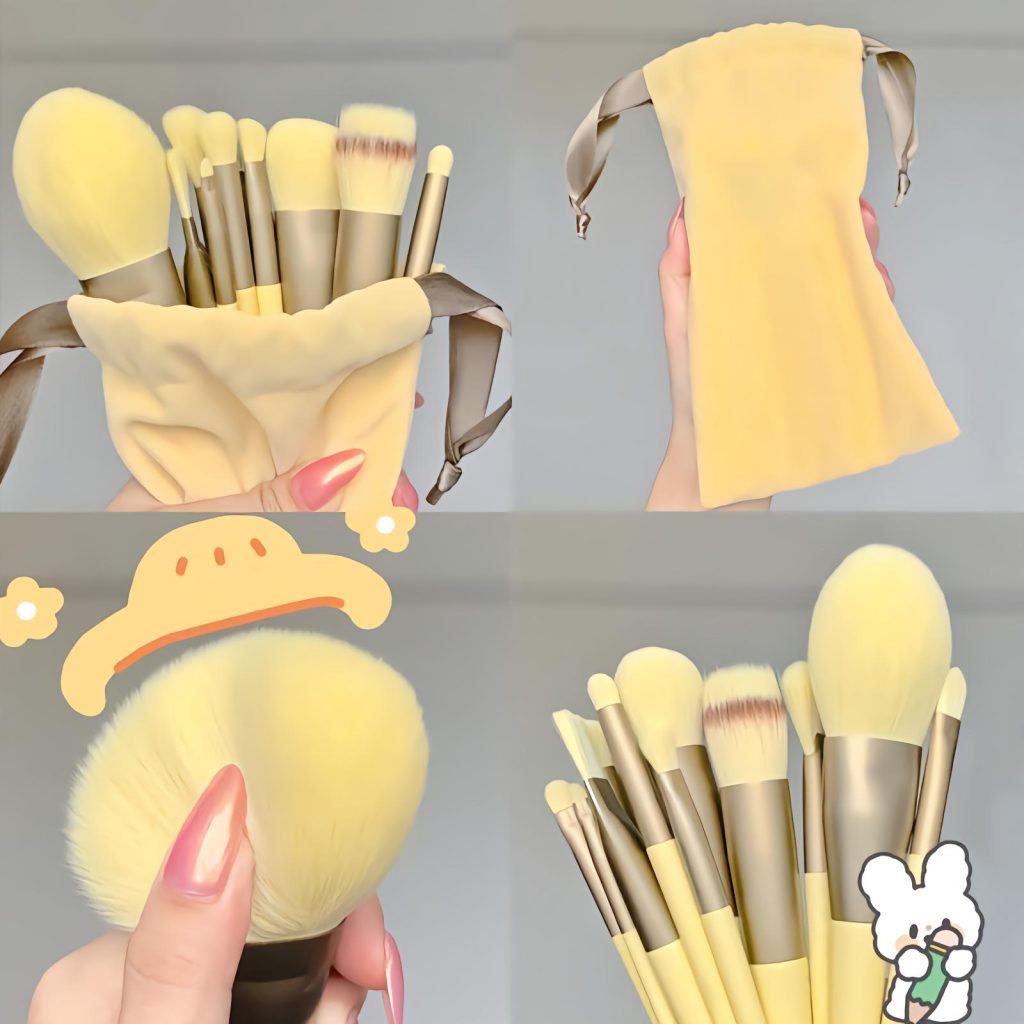
    Professional makeup brush set wholesale

    All prices on KitaToko are quoted in Indonesian Rupiah (IDR), so there is no currency confusion when you compare against your local market price.

    Payment Terms: T/T (Telegraphic Transfer)

    KitaToko accepts T/T (Telegraphic Transfer) — a direct bank transfer, and the most common payment method for B2B wholesale between China and Indonesia. The standard process:

    1. You confirm the products, quantities, and the price term (FOB or EXW).
    2. We send you a formal quotation with the total amount.
    3. You pay a deposit by T/T (typically 30%) to start production or reserve stock.
    4. The balance (typically 70%) is paid before shipment, based on the agreed terms.

    For larger, repeat orders, we can discuss flexible payment arrangements. Every quotation is written and confirmed before any payment is made.

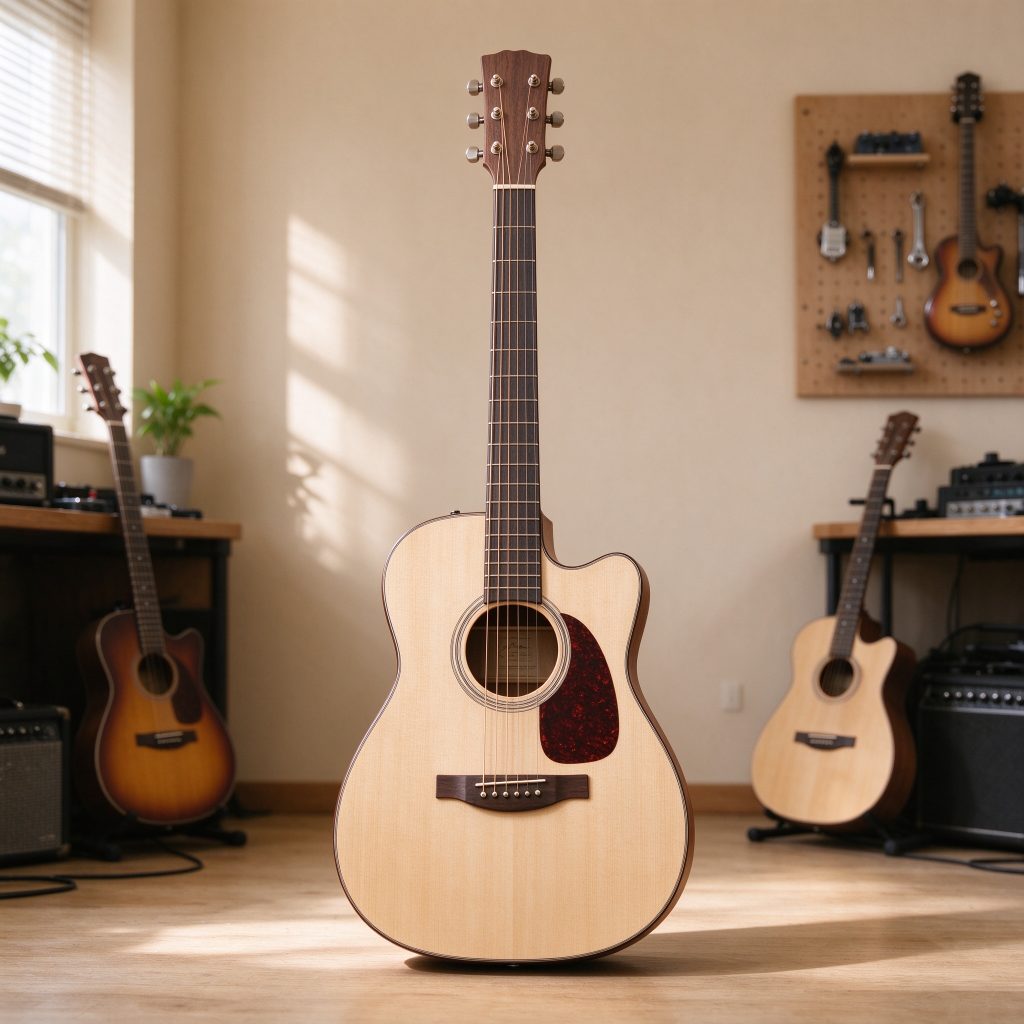
    Acoustic guitar wholesale from China

    Step-by-Step: Importing from China to Indonesia

    Step 1 — Choose your products

    Browse the KitaToko shop and pick the products you want. We cover eight categories: arcade and entertainment machines, musical instruments, infant products, toys, silicone products, beauty care, and slippers.

    Step 2 — Request a quote

    Message us on WhatsApp with your product list and quantities. We reply within 24 hours with a written quotation showing both the FOB and EXW prices in IDR, plus the T/T payment schedule. No obligation, no hidden fees.

    Step 3 — Arrange shipping

    With FOB, we deliver the goods to the port of origin and handle export clearance. You (or your forwarder) arrange the sea freight to Indonesia — the most common routes go through Tanjung Priok (Jakarta), Tanjung Perak (Surabaya), and Belawan (Medan).

    Step 4 — Import clearance in Indonesia

    Your customs broker clears the shipment in Indonesia. Key documents you will need: commercial invoice, packing list, bill of lading, and the certificate of origin if you want to claim preferential duty under ACFTA (ASEAN-China Free Trade Area).

    Step 5 — Receive and sell

    Once the goods arrive at your warehouse, do a quick quality check against the invoice, then list them for sale. That is the whole journey — from a Chinese factory to your shop in Indonesia.

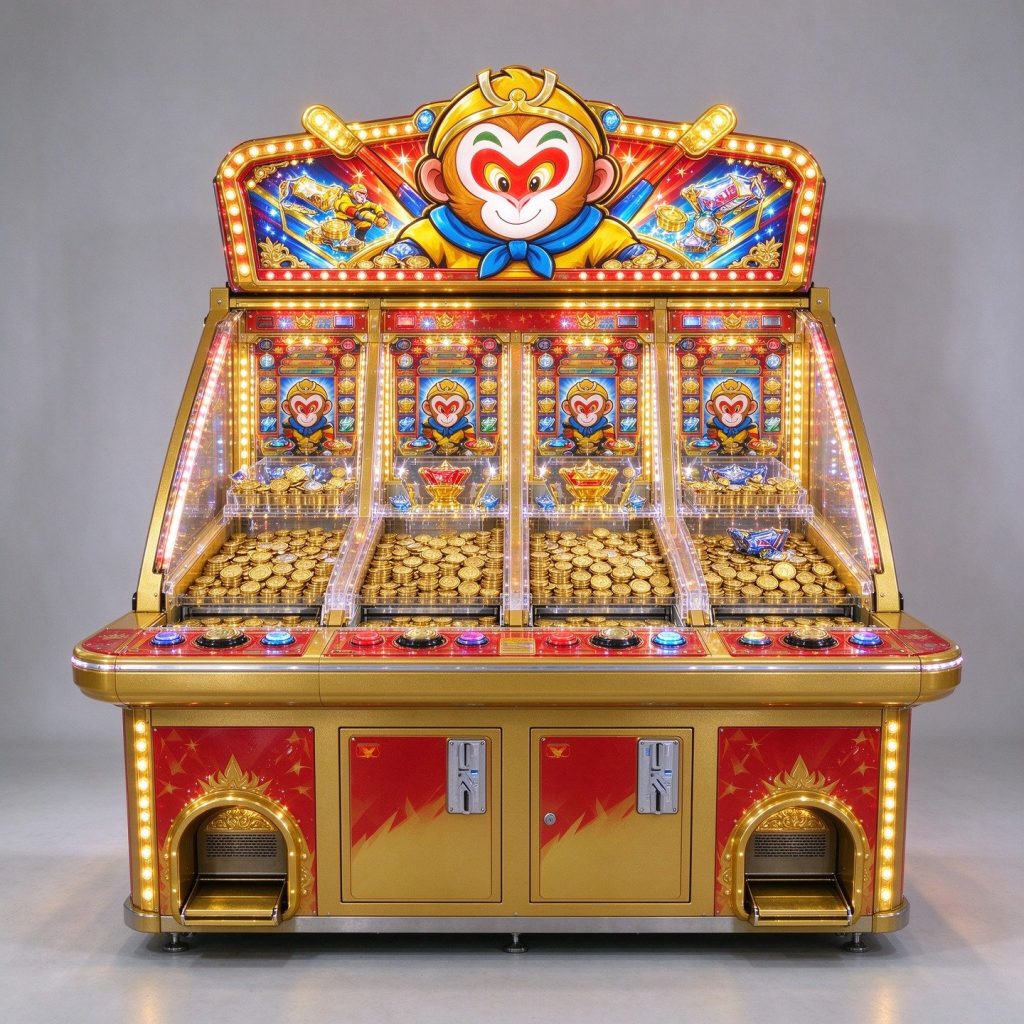
    Arcade game machine wholesale Indonesia

    Frequently Asked Questions

    Is importing from China to Indonesia legal and common?

    Yes. Indonesia imports a large share of its consumer goods from China. The key is to use a reliable supplier, keep proper documentation, and follow the customs and tax rules through a licensed broker.

    How much does import duty cost in Indonesia?

    Import duty depends on the HS code of the product. Many consumer goods fall under ACFTA preferential rates, which can significantly reduce the tariff. Always confirm the HS code with your customs broker before ordering.

    What is the minimum order quantity at KitaToko?

    We are flexible and can discuss MOQ based on the product. Message us on WhatsApp and we will confirm the MOQ for the items you are interested in.

    Why are prices quoted in Rupiah?

    Because KitaToko is built for Indonesian buyers, all prices are listed in IDR so you know exactly what you will pay — no exchange-rate surprises.

    Get Your FOB & EXW Quote Today

    Ready to start importing? Send your product list to us on WhatsApp and get a written FOB / EXW quotation in IDR within 24 hours. Our team will help you choose the right products for the Indonesian market.

    WhatsApp: +86 189-2511-3615

    Prefer to browse first? Explore the full catalog — every product already shows its FOB and EXW price.

Chat on WhatsApp